
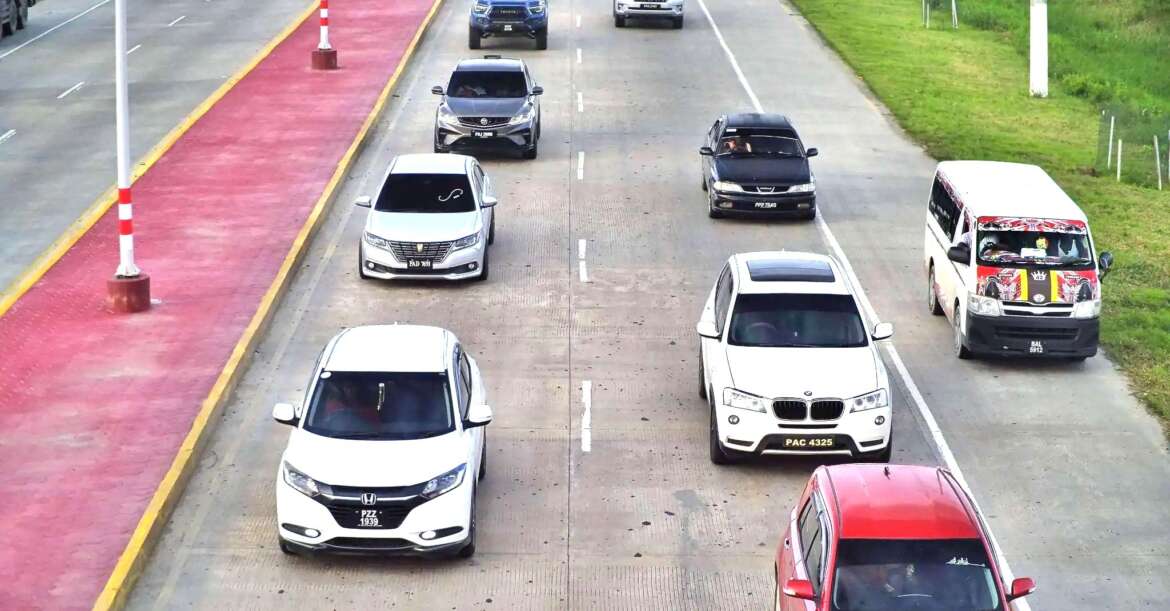
(Georgetown, Guyana) March 30, 2026 – In a bid to continue promoting energy efficiency and environmental sustainability, particularly in the transportation sector, the Guyana Energy Agency (GEA) is urging motorists across the country to adopt fuel-efficient driving practices to maximize every tank of fuel. These practices can help motorists to save fuel and money, reduce emissions, maintain their vehicle’s performance through proper upkeep, and enhance overall road safety.
Since fuel is a major household expense, motorists can adopt several simple and practical fuel-saving habits to ultimately reduce costs and get more value from their mileage.
Combining errands into a single trip is more economical, as several short trips from a cold start can use nearly twice as much fuel as one trip covering the same distance when the engine is warm. It is also essential for motorists to maintain steady speeds and adhere to speed limits to improve fuel efficiency and maintain road safety.
According to the International Energy Agency (IEA), reducing speed by around 20 km/h can improve fuel economy by up to 20%, as higher speeds require more energy to overcome aerodynamic drag. For this reason, moderating driving speeds can reduce fuel consumption.
Motorists should avoid excessive acceleration, hard-braking, and unnecessary engine revving, allowing the vehicle to warm up gradually through driving. Smooth, gradual acceleration, anticipating stops, and easing off the gas when approaching traffic lights instead of braking suddenly are all actions that contribute to improving fuel efficiency.
Additionally, minimizing unnecessary idling by turning off the engine when waiting for more than two minutes, avoiding tailgating, and choosing direct routes to reach destinations on time help to optimize mileage.
Furthermore, proper vehicle maintenance is crucial for improving fuel efficiency. Measures such as ensuring tyres are correctly inflated and aligned, regularly checking tyre pressure, cleaning spark plugs, maintaining clean air filters, and routinely confirming that the petrol tank cap is securely fitted, can enhance overall fuel economy and prevent unnecessary fuel loss.
Some additional fuel-efficient driving measures include reducing unnecessary weight in vehicles, limiting the use of air conditioning whenever possible, planning travel routes to avoid congestion, and avoid overfilling fuel tanks.
Keeping vehicles in good condition and using fuel efficiently allows motorists to conserve fuel and save money, while reducing their carbon footprint. By adopting mindful driving habits and fuel-saving techniques, motorists can improve fuel economy and vehicle performance, support environmentally responsible driving, and improve the safety of themselves and others on the road.
The Guyana Energy Agency (GEA) remains committed to promoting sustainable and responsible energy use, while encouraging motorists to adopt fuel-efficient driving habits that result in economic savings and environmental sustainability.
For more information on energy efficiency and conservation practices, visit the Guyana Energy Agency’s (GEA) website: www.gea.gov.gy.